Friday, June 1, 2012

PAXTON PEOPLE--MISS DOVIE'S MAMA


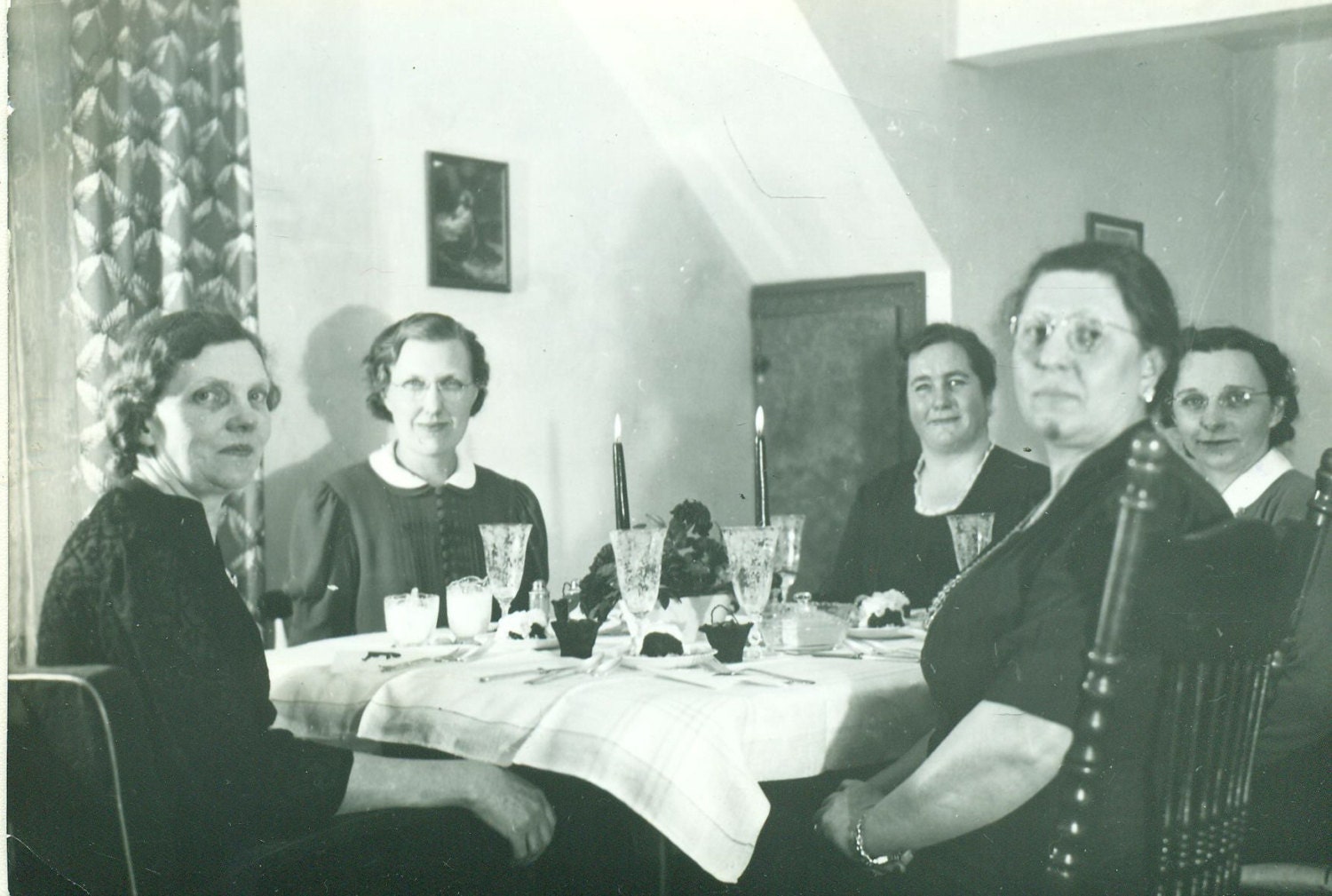
The New Preacher’s wife dropped in on Miss Dovie Caldwell and her married daughter one afternoon---one of several visits she made around the town a day or two a week. Miss Dovie was in her accustomed place on the corner of the couch, with her crochet hook in hand and her feet up on the footstool. A glass of tea was offered and accepted, arriving in a pretty frosted glass with one of Grammaw’s long silver tea-spoons and a little plate with a slice of Devil’s Food cake.


Preacher’s Wife sampled, admired and completed her required manners by asking for the recipe. On hearing that there were THREE kinds of chocolate betwixt the cake and the icing, she gasped at the luxury.


Miss Dovie smiled as she cast on eight stitches, and looked up as she began:


In my whole life, I don't think I’ve known but two people who didn’t like chocolate. One was a bit strange in her ways, anyhow, and the other came by it honestly as anybody ever could.


That one was my Mama---Miss Birdie Mae Pritchett, she was, and my Daddy was Vonn Pardee, from over at Expedia. She was fifteen and Daddy was nineteen when they ran away and got hitched---Ole Granpaw just forbid them to see each other until she was sixteen, and it finally got the best of them. So, when all the younguns got all dressed up in sheets and charcoal-smudge whiskers and Granpaw’s oldest clothes on that warm Halloween night, they dressed up, too.


She’d been a-wearin’ clothes under her clothes for several days, sneaking them out into the barn and hiding a couple of outfits and her best dress and shoes in a pillowcase under some old stuff stored out there.


On Halloween, she put on a long checkedy skirt and one of her Daddy’s shirts over a dress, crammed her stockin’s and her Bible in her purse, and then “went walking” with the rest of the young people of the community. This was back in that time when the kids ‘ud soap your windows or tip over your outhouse, and one time two of those Williams boys got mad at Sonny Pollan for making eyes at one of ‘em’s girl, and they opened up the front door of the Pollan house and turned two pigs and a turkey in on his Mama’s good Sears Roebuck rug.


Mama met Daddy waiting down the road and they set out on his horse to Expedia, where they had been going to church, and knew the preacher. So they were married the next day, staying with his kinfolks for a while, then coming home to a very cold reception from her family, though the Pardees were really well thought of hereabouts.


One of his married brothers had just finished building a new little house for himself and his own bride, and they asked the newlyweds if they’d like to stay with them for a bit until things cooled off some. And they did, with nothing but his steady job at the sawmill and the clothes she had carried from home. Apparently they lived on there for quite a little time, for the main part of the story occurred on over in the hot Summer out there a good little ways out in the country.


Mama and Aint Nettie Frances got along fairly well, as long as the chores around the house and yard and milking-barn were divided about 70/30, Mama said, in favor of Aint Nettie Frances, and her gettin’ more and more pleased with the arrangement. Aint Nettie Frances allowed it was HER house, and since she was giving them “house room,” they could just do their share. Mama had to bite her tongue many a day, for fear she’d say something that would cause her sister-in-law to toss them right out into the road.


Mama did most of the cooking, all of the kitchen work, a lot of the animal-tending and the milking, whilst her sister-in-law quilted and tatted and made herself clothes all the Winter through.


Then, in the Spring, the menfolks plowed up a garden plot, and Mama planted and hoed it, then canned everything that wasn’t needed for the three-meals-a-day for the four of them. It got hotter and hotter, and the canning seemed to stretch on farther than that distant Delta tree-line.


She’d start the day way before daylight, getting the men’s breakfast on table and their lunch pails packed, then made her way out to the bean rows or pea-patch or cornfield as soon as she got that morning’s milk into jugs in the springhouse. That Delta sun beat down on her back as she squatted in the middles, and sweated her scalp fierce under the big-brim bonnet that kept the sun off her face. She’d pick as much as she could calculate she could shell or shuck and can in that day’s time, and take it up to the porch, getting it into dishpans and setting out the old bushel for the hulls or the shucks as the chickens came running over to wait for something to fall through a crack.


Aint Nettie Frances “slept as late as she could,” ja know, to avoid as much of the morning heat as possible in the shady bedroom. She didn’t like hot food on a Summer morning, so she usually had some berries or peaches on clabber with the coffee left in the pot, or she’d open a big jar of Mama’s just-canned sweet pickled peaches, and eat them right off a fork with the sticky juice drippin’ on the table.


She also had a “morning bath,” though there was but the one in a day. And in Summer, she pumped the water straight out of the red pump on the kitchen counter, sluicing it off into the big old #3 tub from the back porch. She did love a cool bath, and great fluffs of body-powder, with more settling onto counter and table and the pine floor than onto herself. You could mark the time of day by the big shining ring of unpowdered floor, until somebody swept it out the back door in a cloud across the yard.


Unca Jrome and Aint Nettie Frances would go to town almost every Saturday afternoon from the farm, getting the week’s staples such as coffee and sugar and tea, and some sody crackers and vi-eenies and all, and Aint Nettie Frances would look through the Butterick book and feel the quality of the goods for a new dress and maybe price some of those pearly buttons. They’d spend the time visiting up and down the streets with friends and storekeepers, always stopping at the drugstore, where they’d have a cold Cherry Phospate, sitting on those high fountain-stools and crunching that real cracked ice til the last sliver was gone.


Mama wasn’t hardly ever invited on these trips, and Daddy was usually up at Grammaw and Grampaw’s doing their little chores, so she’d stay home on the place, week after week. And every Saturday, she’d pray so hard for them to just get gone for a little while---just a breather from the work and the constant company, so she could wash her hair and dry it in the sunshine of the yard, and sit in the swing in the shade a bit without a pan of peas in her lap.


The noon dinner dishes were done, the floor swept, the shoes polished for church in the morning, and a bit of rest was in sight, she hoped.


Unca Jrome would pull the buggy up to the yard, while Aint Nettie Frances would check her hat in the mirror, then she’d walk out onto the porch. Mama would watch her go, relief almost overtaking the fervent prayer that she’d just GO, and then it would come:


EVERY BLESS-ED SATURDAY, Aint Nettie Frances would stop on the porch and turn, or she’d get all the way up the step into the buggy, settle onto the seat, turn to Mama, tuck her head and look up from under her eyebrows like a little kid you caught at something, and say, "Chock-littt CAAAAAAKE, Birrrrdie,” in the most irritatin’ voice in this world. She’d bat her eyelashes real fast like one a them vampy women in the pictures, with that smirky smile that knew Mama couldn’t refuse, since they were so beholden to her and her husband for a place to live til they could get on their feet.


And so, Mama would stomp into the kitchen, get out the bowls and the spoons and the sugar and the Hershey’s can, throw some more wood into that already-sweltering woodstove, and start mixing batter and icing. Some days, she'd bang things around some---stove-lids and sifters, or yell out what she’d REALLY wanted to say to Aint Nettie Frances. And once in a while, she’d just fling the whole shootin’ match out into the back yard, and then have to go all the way out there and pick up those cake pans and spoons from where she’d flung ‘em.


But she made that cake, every blessed Saturday that they lived there. She worked in that stifling kitchen every week, baking the layers and cooling and frosting, heating the whole house past bearing in that Summer sun, doing her part to help with their upkeep.


One Sunday morning, everything came to a burnin’ bush, as they say, when Grammaw Pardee overheard Aint Nettie Frances say something real mean about Mama and Daddy as she walked out of church with her two gossip-friends, about how beholden they were to her for the roof over their heads, and if she didn’t just work her hands to the bone with four people in the house, she didn’t know what.


Grammaw didn’t let on, but just went on home and got Sunday dinner on table for her and Grampaw. She cleaned up the kitchen, took off her apron and put her hat back on and her purse on her arm. By then Grampaw was dozing in the porch shade, and didn’t hear her go down the porch steps and way across the yard with her big black umbrella she called her “parasol” shading her from the sun.


She walked down the lane to the road, turned in at the New House, and went over to where Aint Nettie Frances was sitting in the swing with a magazine and her tea glass from dinner. Grammaw could see Mama through the windows, straight through into the kitchen, where she was clearing off the table whilst the dishwater heated in the kittle.


Grammaw just real slow eased down her umbrella and snapped the little cord around it whilst Aint Nettie Frances just sat there, swingin' real lazy with one foot. Then her Mother-in-Law raised her voice for the first time either one of those two young women could remember.


“Nettie Frances Pardee, don’t you NEVER NEVER NEVER use the word “Beholden” to anybody again. Not EVER, you hear me?


“I’ve seen that girl out at the washpot, Winter and Summer, washin’ everbody’s clothes and all them overalls and your own underwear, and you a-sittin’ in a sunny winder sewin’ lace on your drawers. She’s out on the porch ironin’ ever Tuesdy of this world, and you out here in the swang in the shade, as big as you please, with your embrawdry hoop and a glass a tea!


“She ‘n’ Vonn put in a WHOLE lot more than they take, I’ll tell you THAT. With him puttin’ in more’n half of his earnin’s for groceries and lights, and her doin’ all the cookin’ and washin’ up too?


“All that for one spare room and the privilege of bein’ your housekeeper and cook? Not one of us has seen you hit a lick at a snake since they moved in here.


“I’ll tell you WHAT, young lady---they not goan be here forever. They goan have therr own place, and she’ll keep it nice, and keep her family happy and be the good woman she is, and not look down on NOBODY, you hear?


“You just see how long YOU last in this new house you’re so proud of. You’ll be cryin’ to me about your hands are rough and you just cain’t stand all that stoopin’ to pick the greens and you’ll both be eatin’ burnt pone like when you were first married.


“If I ever hear the word ‘beholden’ come outa your mouth again, or hear that you even said it, I’ll snatch you bald-headed, grown and married or not!”


And then Grammaw Pardee undid the big ole black umbrella, and walked off down the road toward home.


I still don't think I ever saw my Mama take a bite of chocolate.

Saturday, August 20, 2011

PAXTON PEOPLE---HAVLON BRIGHT

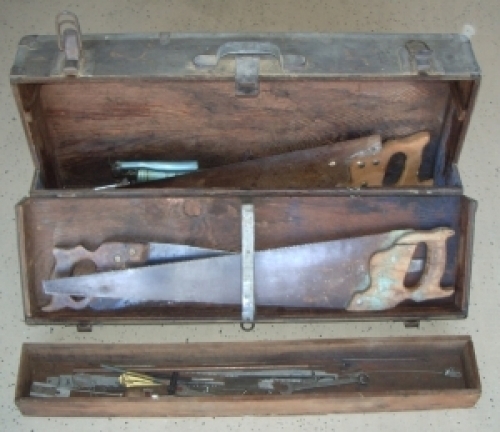
Havlon Bright always smells of Ivory Snow clothes and carries the faintest incense of cedar and pine and oak around with him like a pale, nebulous aura, for his days are spent amongst wood.   He always looks as if he’s just emerged from a pile of curly shavings, with bits of sawdust and little shining spirals of planed wood clinging to his clothes, and peeping  from the upturned cuffs of his pants.   The sparkle of sanding dust sometimes hazes the golden hairs of his muscular forearms, and the glint gives a brassy gleam like a bronze statue.


Those callused hands give a powerful handshake, and you can feel the work of years in their hard surface; the two little fingers, though never broken, have a slight bend which has firmed over the years into an immovable curve, so that he always looks as if he’s raising his pinky-fingers over a dainty teacup.


He wears khakis year-round, varying only sleeve-length, and in the short time of the seasons’ changes, sometimes shows the long sleeves of thermals, pushed up to his elbows like pale bellows beneath the short sleeves of his button-shirts.   He would like to be a suspender-man like his Daddy, but somehow a plank or a tool or an edge of a counter seems to catch or snap into the elastic, and so he wears rather wide belts.    His favorite is the nice tooled-leather one his daughter had made by an inmate in Parchman, with his initials on the back, and a hammer to the right of the buckle and a slender saw on the left.

Havlon just KNOWS wood---he can walk into Laster’s Lumberyard, and aim his nose at the pine or the maple, knowing almost exactly the place of its growing and the time in the cure, and can be trusted to choose and carve and carpenter anything from a gun cabinet to a whole library of shelves, to a complete kitchen, copied from a magazine and set down entire in what used to be Miss Carlisle Emerson’s bumped-out garage.   

He’s known best for the beautiful hutches he builds right into people’s dining rooms, any size, any space, with shelves and drawers and carving satin-smooth as fine furniture, and he always signs his work on the back, even if it means just writing his name on an inside board he’s about to nail on a wall. 


When you Hire Havlon, you just tell him what you want, and come back to find it---he’s been a part of the town’s carpentry family all his life, and his inherited touch for woodworking is equaled by the Bright Voice---a pure clear tenor, ringing out from the Methodist choir in perfect harmony with his alto twin sister, Olivia Dee.   

They’ve been singing together since they were small, and though Havlon’s size and physique suggests Basso Profundo, he pours out those silvery notes as effortlessly as he thumbs a planed edge.   Scarce a single person in town has been buried in the past fifteen years, but that Havlon and Olivia Dee stood at graveside at the end, beginning “Amazing Grace” in perfect pitch, and all the assemblage joining in, soaring those smooth notes heavenward in escort with the Dear Departed.

  Only once, when Olivia Dee was still in the hospital after the birth of her second child, did Havlon do the honors alone, and then it was the funeral of old Mr. Killebrew, who had served in WW II.   The song was “Danny Boy,” and that’s pretty much best as a solo, anyway.


Internet photos

Thursday, July 14, 2011

PAXTON PEOPLE---TRAVIS KEENE


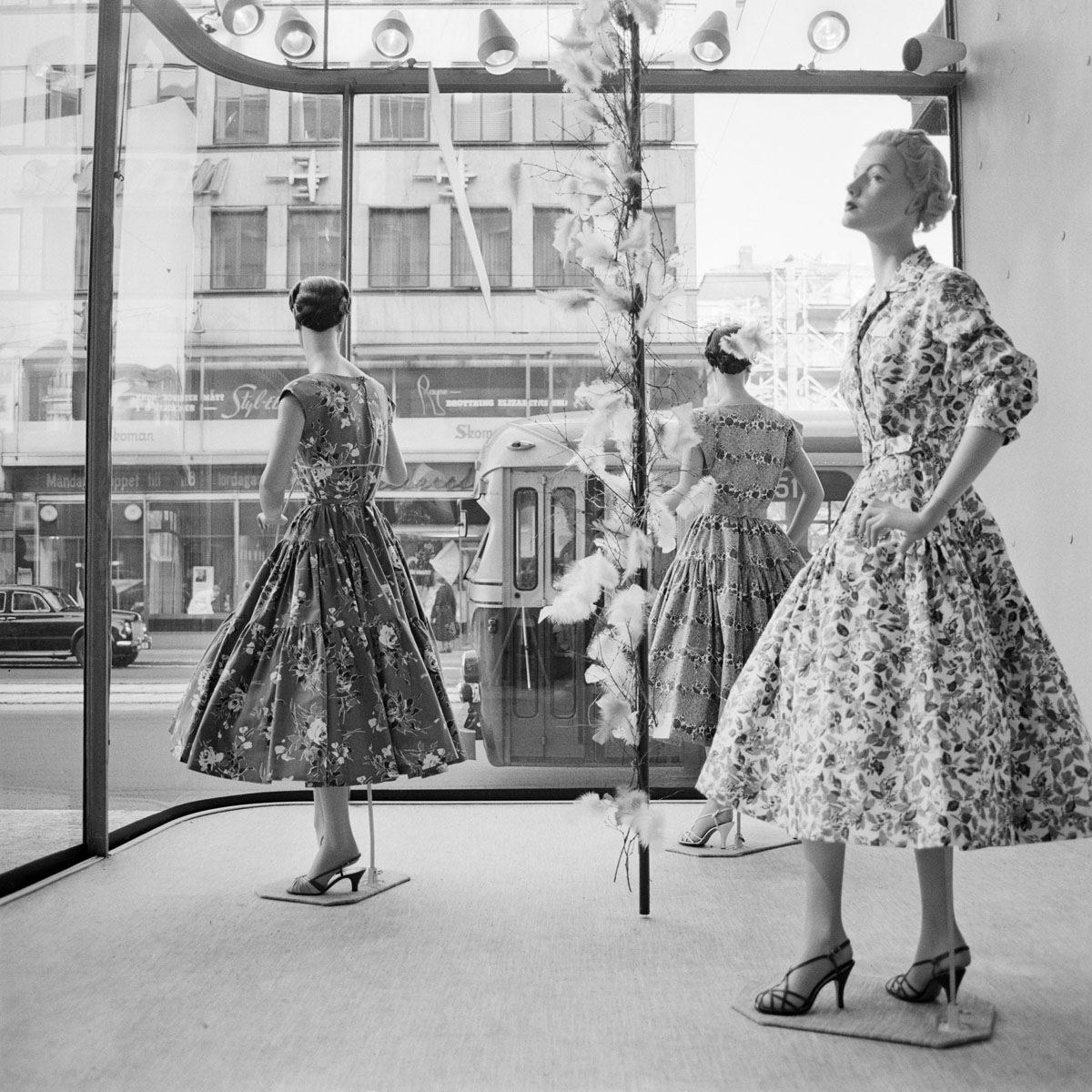
Travis Keene is a forty-something man, slim and dark-haired, with a little dress shop on Main Street.  The other stores in town are called “dry goods stores” or “clothing stores” or even “department stores”---which they might deserve, for there certainly ARE departments delineated throughout the stores---the Men’s and the Ladies’ and the Children’s sections, with a small side-room or other areas with shelves and racks and tables of shoes for everyone.

One store still stocks “dress material” on wide bolts down one wall, with a notions section for buttons and thread and such, and the scents of gabardine and taffeta still perfume the aisles.

But Mr. Keene’s store has always been called a Dress Shop.   The ladies of the town and several surrounding towns and communities shop there for special dresses---for Country Club doings and sometimes weddings and other fancy occasions.   Even the women who would think nothing of flying to Dallas to Neiman Marcus for a whole Spring wardrobe drop in more often than you’d imagine, just to see what’s in and what is new.

He has an eye for the becoming, the flattering, and the well-made items, stocking a variety of evening wear and dainty accessories, as well as what has always been known in the stores in the big-town-two-towns-over as “Better Dresses” for afternoons and teas and club meetings and church convocations, when your best foot goes forward and your shoes should shine.

He still travels several times a year to fashionable places, to keep an eye on what is fresh and COMING;  he and his Mother used to fly to New York once or twice a year just to get away and to keep up with trends.  They stayed in lovely hotels and had tickets to Broadway shows, with one afternoon reserved for tea at the Plaza, for that was where she and his father had honeymooned. 

Travis is a nice man, still living in the house he was raised in---a lovely small-columned two-story over on Belleview Street.     He came home from college to tend his Mother in her early days of MS, and has a wonderful reputation amongst the ladies of Paxton, for his tender concern and gentle care as she grew weaker over the years, just whispering away as they still kept their social calendar and their Season Tickets to the Memphis Symphony and the Opera.

He helped her dress every morning, as she always had, in smaller and smaller sizes of pretty dresses or a demure skirt and blouse, her stockings rolled just beneath the knee on her ever-thinner legs, her watch and her rings spinning on her fragile bones, and a lacy handkerchief in her pocket.   She passed the days in that beautiful sitting room with its pale-green silk wall-cloth and its shining small chandelier, at times able to sit up in her favorite chair, and at others tucked up onto the chaise with a light throw over her feet.  

The living room of the house is a tall room, with the ornate iron stairway up to a matching balcony---a sort of mezzanine effect all down one side of the room, suspended over the first floor, with doors opening off into bedrooms, another sitting room, and a library scented with old books and well-polished wood.

At the far end of the room, rising to the ceiling twenty-some-odd feet, is a smooth-wood wall, satin-varnished, and pale as heart-pine.    It was especially constructed at Mr. Larrabee’s carpentry shop, in four pieces which were transported on a glass truck, standing against the sides like the big show windows that had had to be replaced in Edelstein’s Dry Goods when Old Mrs. Prather hit the accelerator, not the brake, trying to diagonal-park in front of the store.  

(Nobody was hurt in the accident at Edelstein’s, and it was talked of as a miracle, because Miss Avis Little was in the very front of the store, right by the glass, looking at a table of sale shoes.  The glass rained all around her, and the brick wall bowed in a little bit, but she only went to Doc’s office to get the glass out of her hairdo).

Against that tall wood wall stands Travis Keene’s Hammond organ---a big church-size one with two ranks of keys and lots of stops and diapasons and tremolos, and with an immense footboard which he can fairly dance upon, both feet flying, as he spins out those DEEP bass notes.     He is a lifelong Methodist, but he’s played the huge pipe organ at the Presbyterian church in a nearby town for years, and his yearly recital the first Sunday in December is marked on many a calendar, county-wide and in a big radius around.

Sometimes, on a Fall Sunday afternoon, with the windows open and the sheers drifting softly in the breeze, you can hear the gentle notes begin, a small nocturne feeling its way into the light of the day.   Then, perhaps Clair de Lune, of the ethereal octaves, or Brazil, with the bright tempo and infectious rhythm, then a Gospel tune, and a segue into Bach or Handel, the whole depth of that tall room resounding and channeling the notes like the shell of an amphitheater orchestra.
         
When he moves on into the haunting notes of Traumerei, the whole street seems to take on a different air, with the leaf-blowers stilled and the swish of the brush on shining hubcaps slowing with the tempo; the two Mahan boys  raise their heads from beneath the hood of the 74 ‘Cuda they’ve been restoring for three years, and their grimy hands move gently to the familiar tune---familiar to them because of long-time hearing, though they have no notion of title or composer.  

Big ole Bubbas out stretching their halftime legs, grabbing another Bud from the patio cooler, sit down to take in the melody like cool water, never thinking to scoff or make light of the miracle floating across their hedges.   And later, they never know just WHY they’re smiling as they gather up the empties, even though their team just lost.   


MASON/DIXONARY "TAKE"

Take, Taking also connotes receiving something you pay for, usually in a scheduled manner.   You can “take the paper,” or a magazine, or even milk and eggs from a farmer who regularly sets aside or delivers your requested order.

You can also “Take Out After” anybody runnin’ away with said goods before you have a chance to get them in off the porch.

Takin’ On can range from weeping to moaning to gnashing of teeth, and is a form of grief, or of self-pity, often occasioned by Taking On too much to do or to see to or to complete.

Takin’ Up With is striking up more than a passing acquaintance, and often refers to arrangements not to your benefit, as in Takin’ Up with the Wrong Crowd, or with a No-Count Triflin’ fella.   More polite vernacular for Shackin’---if things have got that far.

Takin’ Over---stepping right in like you own the place, like Miss Ocella Black at most Civic Club meetin’s---Rules of Order know not her name.

Takin’ Up For---defending

Takin’ Offense is one of the lesser-desired Takes, for there are just SOME people who live to be offended.   They look for it to happen, and by some hook or crook, it usually does.    Some folks, you can just look at ‘em wrong, and there’s trouble.

Takin’ It Out On---that’s misplacing your anger or dismay or hurt onto the wrong outlet---when you’ve overheard someone criticizing your shoes/hair/ housekeeping/child-raisin’ you might go home and take
it out on your husband, who hasn’t a CLUE what’s the matter with you.

The Take---profit from certain ventures, such as concession stands, charity events, carnival receipts.

Take Off---run away abruptly, sometimes with time to pack a bag.   "She didn't say a WORD; she just Took Off."    Slightly more educated than RUNN OFT.

Takin’ To---also expressed as Takin’ a Likin’ To---now THAT’S a good feeling---when someone just Takes to you, or you Take To them.   It’s an immediate cordiality, a feeling of happiness in their presence, a good result of a meeting.   It can lead to lifelong friendship, good family relations, and sometimes, True Love.

Monday, March 7, 2011

GUSSY vs. HUSSY

Internet image.
There’s a difference in the South between Gussied Up and Hussied Up---the pronunciation, for one thing. Gussied is pronounced with the USSS as it’s spelled---a crisp ssss through the teeth, and most always meaning nice things. The declaration and question, "Why, you're sure gussied up today---where you goin'?" can almost always be taken only as a compliment on appearance and taste.
On the other hand, Hussied takes on a HUZZZZZ sound, like a disdainful beehive in the hum of the zzzzzz’s. As in “Why that ole HUZZZZY!!! Who does she think she IZZZZZ?”

The key is that you can Gussy up a house, a room, a dress, a tabletop, a package or a window treatment or a hat, but almost the only thing you can call “hussied up” is a person---female persons, at that.

Well, maybe that time Bugs Bunny wore the lipstick, but that’s not a good example, I guess.


Gussying is all in the outlook, I think---you add a little extra touch here, a coat of paint there, a new shade of nail polish or a different centerpiece, and there you have it---gussied. A lush blossom tucked behind an ear, purse-shoes-belt to match, a fresh white pique collar on a plain navy dress, the tilt of an absolutely useless wisp of whimsy passing for a cocktail hat---those fall into the gussy category.

As do lace on tiny socks above shiny black Mary Janes, ribbons on ponytails, white gloves in Summer, pearls with a sweater set, a flirty glimpse of red silk slip in the hem-slit of a demure dress, (which can all-too-easily fall into the Hussy category, depending on dress, slip, and degree of flash). There’s also the extra-fancy trimmings to a wardrobe---the colorful inserts on a pocket, a special set of buttons for placket and sleeves, an elaborate stitching technique which sets the garment apart, a special furl of ribbon or paper to make a gift almost too beautiful to unwrap.
Gussying in a room could include a punch of pillows, a paint color, a mural or bit of trompe l’oeil, some specially-draped and tasseled curtains, a little tableau atop a table, a mantel, a shelf. We all love a special touch, whether our own, in a magazine, in a house in which we feel the warmth of things well-loved.

But Hussied Up, now---that’s a different subject entirely, mostly calling for a state of BEING, for the carriage and attitude count for a great percentage of the aura. The extra touches are there, the attention to detail may be present, the care in preparation and presentation undeniable, but the effect is just TOO-TOO. Too-tight or too bright or too-too is just too much---they run over into “Did you SEE what she was wearing?” on past, “Too much sugar for a dime,” into “Ten pounds of sugar in a five-pound sack,” and the capstone: “Her Mama would just DIE!”

My girlfriends and I used to tease each other about being Hussied Up when we would go out together---a little extra care with the lipstick, an appointment for a hairdo that afternoon, an outfit just bought and pressed Just SO, but those were just nice ladies getting spruced up.

REAL Hussying is either a gift or a curse---a flair for a dramatic look, with a special style that gets you noticed AND talked about, but in an envious or admiring way, though your admirers may be as much detractors as any.
Or the curse of not having The Sense God Gave a Goose in the way you present your person---a painted-on outfit cut down TO THERE, with tottery heels, big hair and too much jewelry AND perfume just ain’t the way you want to go through life. It gets you noticed, all right, but it also gets you Looked At Funny and Laughed At, besides.

We had a DEAR Aunt who wore odd little outfits, with a bit too much powder and lipstick, and the Toujours Moi preceded her into the house. She wore TOO MUCH STUFF, too many GeeGaws, too much tarnished or plastic bits and pieces with gappy places where the crumbs of sparkly glass had fallen from the settings. She was like the society woman of whom it was rumored that she just stood in the middle of the room and her maid flung every knick-knack in her jewelry box at her. More was MORE.

On up into the Seventies, her stockings had seams, and there were always flocked butterflies or embroidered flowers scattered up her calves. In addition to all the above, her ensemble for my Grandpa's funeral included a large shoulder-strap purse, of a big ole Laura Ashley-type floral chintz if I remember right, and slapped on it midways like a Homecoming Corsage was the final touch: A huge red paper-satin bow, one of those sticky-back ones sold by the dozen at Fred's for Christmas packages.

But she was sweet and she was OURS; we tittered a bit in secret, but we would no more have hurt her feelings over her over-the-top effect than we’d fly. She was a nice lady, and no matter what she wore, the SELF of her could never have gone past extreme Gussied Up into Hussydom.

And therein lies the real difference.

Saturday, January 29, 2011

SLIM'S PINK DOOR JUKE

Photo by Keetha


In honor of our newest Follower, whose reading and opinion I value, and who never thinks I'm vulgar, no matter what.


HER? The one a-cacklin' fit to bust? That there’s Miss Carla Bethune, with her honky-tonk lipstick and that ratty old three-fox fur thing with ‘em bitin’ each others’ tails---that thing looks like sump'n you’d a drug out from under the porch. Who in the blue blazes would put sump’n like that around their NECK and wear it, anyway?. I swear she found that thing dead somewheres.

She always HAS been a bit of a heller, she has. Ever since that time she worked over there at Perkin’s PanAM, serving in the caffay---she got her eye on the School Superintendent that time, remember? He’d come in for a cup a coffee, and she’d fling everything on the menu at ‘im---know whudda mean? And her in that pink nylon uniform every day of the month, and it so thin it showed her Kotex belt some of ‘em.

One night she was out here in a pair a them wind-up-your-leg sandals---like in Quo Vadis? ‘member that? Those things twisted and turned like Jack’s beanstalk up them dumpy legs til who’d a thought it. And silver, at that. With big ole chunky heels---wadn’t SHE a sight?
She had on a white big-tailed dress like that one blowed up around Merrlunn MON-roe, and even though there wadden a breeze stirrin’, ever now and then, she’d sorta give a big gasp, stand there stiff-legged and spraddled a little bit and throw both hands down over her skirt, right in the middle. Then she’d just throw back her head, and giggle. Just ridicklus, that’s what it was. And kinda pitiful, too.

You come back just any time, OK? We’ll be right here---open all the time.


Saturday, January 15, 2011

BREAD AND BUTTERS


The whole world seems snowy, Y’all. Now’s not the pickling season, but a quick trip to your local grocery for a big handful of Kirbys, a quick slice and cook, and your kitchen will smell like August in the South. These are SO easy, and can be made one day and served proudly forth the next, with a little clump on your suppertable tonight, just for a taste, you know.

This will make a nice Tupperware quart, for the fridge, and by the time they’re good and cold, they taste like PICKLES!

Eight or ten nice-sized little Kirbys---cut a little slice off the ends
A big sweet onion, cut into quarters, then thinly sliced
A good palmful of Kosher or pickling salt
A cup of sugar
Half a cup of vinegar
¼ t. Turmeric
Tablespoon of Mustard seeds
Teaspoon or so of chopped pimiento, if you like it---just for the pretty of it

Slice Kirbys the pickle-thickness you like. Toss them and the onion with the salt, cover them with about the same amount of ice, and let sit a couple of hours.

Bring sugar, vinegar, turmeric and mustard seeds to a boil; drain cucumbers in a colander, and rinse til ice is gone. Put them into the pot, bring to a boil, then remove from heat, stir in the pimiento (opt.), and let cool in the pot. Store them in a Tupperware in the fridge, and every meal, you’ll think you’re on a Summer picnic.


And for an addictive adjunct: Open that Tupperware and stir in about a third as many sliced pickled jalapenos as you have pickles---I don't know what you call them, but somebody say Hot DAMMM!